

Affiliate disclosure. BetMaster is an independent editorial team. Some links here, including the registration buttons, are partner links: if you sign up through them the operator may pay us a commission. That payment never softens a verdict, and it costs you nothing extra. We earn from introductions, not from your losses.

Creating a betmaster register account in Ireland takes a few minutes, but the steps you skim past now decide how smoothly your first withdrawal goes later. This walkthrough treats sign-up as its own job, separate from getting back into an existing account: eligibility, the form fields, identity checks, the player-protection limits you can lock in early, and the welcome bonus you may or may not want.
- Who can register
- Anyone 18 or over, resident in Ireland, with valid ID and a real address.
- What you need ready
- Email, mobile number, photo ID, and a recent proof-of-address document.
- How long it takes
- Form: a few minutes. Verification: anywhere from minutes to a day or two, depending on the queue.
- First money step
- One deposit unlocks play; the welcome offer (100% · €500 + 150 FS) is optional.
Table of contents
Before You Register: Eligibility and What Irish Rules Require
Start with the hard floor: you must be at least 18. There is no junior tier, no supervised-minor exception, nothing. An operator that lets under-18s through is breaking the most basic rule of the trade, and a serious one will check your date of birth against the ID you upload later. Lie on the form and the mismatch surfaces at verification, which means a frozen balance and, often, a closed account.
Residency matters almost as much as age. The sign-up form asks for an Irish address because the licence the operator holds, and the consumer protections attached to it, are tied to where you live. Ireland's gambling landscape is shifting fast. The Gambling Regulation Act 2024 created a dedicated statutory body, the Gambling Regulation Authority of Ireland — Údarás Rialála Cearrbhachais na hÉireann — to license and supervise operators, and it is standing up its register of licensed firms in stages. That register is the thing to watch: once it is fully live, an Irish player will be able to look up whether a brand is authorised the same way you would check a tradesperson against a public list.
How do you actually verify a licence rather than take a badge in the footer on trust? Three habits help. Read the licensing line at the bottom of the site and note the named regulator. Cross-check that name against the regulator's own public register or whitelist rather than a logo image, which anyone can copy. And look for the player-protection tools a properly run operator must offer: deposit limits, loss limits, session reminders, time-outs and self-exclusion. If those tools are missing or hard to find, treat it as a red flag before you type a single character into the form.
One more eligibility point people forget. You may only hold one account. Duplicate accounts, whether opened to grab the welcome offer twice or to dodge a limit you set yourself, get closed and can cost you any winnings tied to them. Register once, with your real details, and keep the login somewhere safe.
The Registration Form, Field by Field — No Surprises
The form looks short, and that is deliberate. Most of the friction comes later at verification, so the operator front-loads only what it needs to create the account. Knowing what each field is for stops you second-guessing halfway through.
Email address. This becomes your username and the channel for password resets, bonus notices and, crucially, any message about your withdrawals. Use an inbox you actually read. A throwaway address you forget about is the single most common reason people lock themselves out weeks later.
Password. You set it here, and it is worth doing properly the first time rather than reusing an old one. More on what makes a strong one in the security section below.
Mobile number. Used to send a verification code and, if you switch it on, the second factor for logins. An Irish mobile saves hassle when the code arrives. Numbers are also checked for duplicates, so the one you used on another account elsewhere is fine, but reusing it across two accounts on the same brand is not.
First name, surname, date of birth. These must match your photo ID exactly. Not your nickname, not the spelling you prefer — the legal version. A "Mike" on the form against a "Michael" on the passport is enough to stall verification while a human checks it. Get this right and KYC becomes a formality.
Address. Your current residential address, the one on a recent utility bill or bank statement. This feeds both eligibility and the proof-of-address check later.
Currency. Pick euro if you are playing from Ireland. Once set, currency is fixed for the account, so this is not a field to rush past.
Consents. You will tick to confirm you are 18-plus and to accept the terms. Marketing consent is usually separate and optional — leaving it unticked does not block the account, it just stops the promotional emails. Read which box is which before you click.

A practical tip: fill the form in one sitting on a stable connection. Half-completed registrations sometimes time out, and starting again with a half-recognised email can throw a confusing "account exists" message. If you do see that, head to the login flow and use the password-reset link rather than registering a second time.
Verifying Your Identity: The KYC Step Explained in Plain Terms
KYC stands for Know Your Customer. Strip the jargon and it means the operator has to confirm you are a real, of-age person living where you say you do, before it lets money leave the account. This is not the operator being nosy. It is anti-money-laundering law and licence conditions, and every regulated brand does it. The question is not whether you will be verified, only when.
Here is the part newcomers miss, and it causes most of the complaints you read online: you can usually register, deposit and play before verification is finished, but you almost never get to withdraw until it is done. So the moment to handle KYC is the day you sign up, not the day you have winnings you want out. Get it cleared while you have nothing riding on it and the cashout later is painless.
What you will typically be asked for falls into two buckets. Proof of identity: a passport, driving licence or national ID card, photographed in full, all four corners visible, no glare, not cropped. Proof of address: a utility bill, bank statement or official letter, usually dated within the last three months, showing the same name and address you typed into the form. If you fund the account with a card, the operator may also ask for proof of the payment method.
Why documents bounce back, and how to avoid the round trip:
- Blurry or cut-off photos — lay the document flat, fill the frame, kill the flash glare.
- Name mismatch — the "Mike vs Michael" trap again; match the form to the ID character for character.
- Expired ID — a licence that lapsed last year will not pass.
- Address document too old or in someone else's name — that shared bill with your housemate's name on it will not do.
The operator does not state an exact turnaround, and honestly few do, because it depends on volume. Submit clean documents and the wait is usually short; submit a smudged photo at a busy time and you are in a back-and-forth that drags on. The verification page in the account area shows what is outstanding, so check it rather than guessing. For the money side of all this — what verification unlocks and how payouts then behave — our guide to playing for real money goes deeper.
Setting Deposit and Loss Limits During Sign-Up, Not After
This is the section most sign-up guides skip, and it is the one that actually protects you. A well-run operator lets you set spending controls during onboarding — before the first deposit, before the first spin, before the welcome offer has a chance to tug at your judgement. Setting a limit when you are calm and curious is worth far more than setting one after a rough session, when the temptation is to chase rather than cap.
The tools worth looking for, and what each one does:
- Deposit limit — a ceiling on how much you can pay in per day, week or month. The cleanest single control. Decide the figure away from the screen, as part of a budget, not in the heat of play.
- Loss limit — caps net losses over a period, so it accounts for winnings you plough back rather than only fresh deposits. Stricter and, for many people, more honest about real exposure.
- Session reminder and time limit — a nudge after a set stretch of play, or a hard stop. Useful because time, not just money, is the thing crash games and slots quietly eat.
- Time-out — a short cooling-off, from a day to a few weeks, when you want a break without closing the account.
- Self-exclusion — the serious option: lock yourself out for months or longer. Once set, a real operator will not let you reverse it on a whim, which is the whole point.
A detail that separates a responsible operator from a token one: lowering a limit should take effect quickly, while raising it should carry a deliberate delay — often a day or more — so a spur-of-the-moment decision cannot blow past the cap you set when sober-minded. If the brand lets you crank a limit up instantly, that tells you something about how seriously it takes the tools.
Ireland's safer-gambling framework, including a national self-exclusion register, is being built out under the 2024 Act. Until every piece is live, the limits inside your account are your front line. Set them on day one. You can always adjust later, and the friction on raising them is a feature, not a bug. For the full menu of national support tools, the footer links through to our responsible gaming resources.
Choosing Whether to Claim the Welcome Offer at Registration
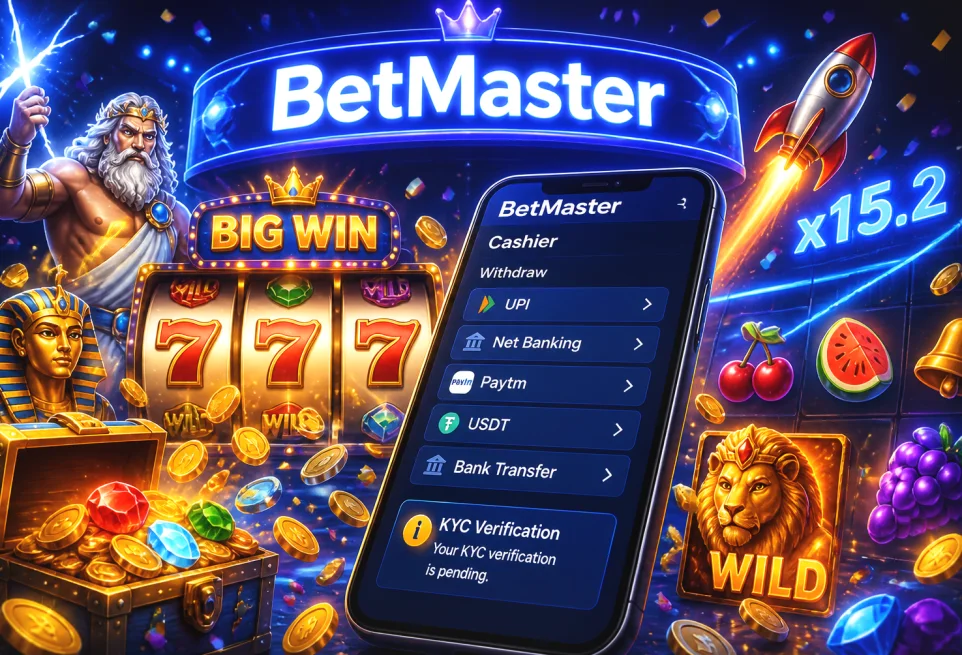
The headline number is hard to ignore: 100% · €500 + 150 FS · 35x. A 100% match up to €500 plus 150 free spins, carrying a 35x wagering requirement. Tempting on the form. But claiming a bonus at sign-up is a choice, not a default, and the right answer depends entirely on how you intend to play.
Work the wagering through before you opt in. A 35x requirement means the bonus amount has to be staked that many times before winnings from it can be withdrawn. On the €500 top end that is a serious volume of play, often inside a fixed window, frequently with game weightings where slots count fully and table or crash titles count partly or not at all. Skim the bonus terms for the maximum bet allowed while a bonus is active, too — overstep it and the operator can void the lot.
Who should take it? A player who was going to make several deposits and play regularly anyway. The match and the spins genuinely stretch a bankroll you intended to spend. Who should skip it? Anyone who wants to deposit, play a bit and keep the freedom to cash out whenever. An unwagered deposit has no strings; a bonus-locked balance does. There is no shame in declining the offer at the box and just playing with your own money.
Our standalone breakdown of the welcome bonus and its wagering terms runs the maths in detail, including which games clear it fastest and where the small print bites. Read it before you tick the box, not after. The offer will still be there.
- Account creation runs on one screen with no forced phone call
- Deposit, loss and session limits can be set before the first payment clears
- Two-factor authentication is offered at sign-up, not buried in settings
- Welcome offer is opt-in, so you can skip the wagering if it does not suit you
- Full KYC verification is mandatory before any withdrawal, which surprises first-timers
- The operator does not publish per-game RTP, so transparency on payout maths is thin
- Exact document review times are not stated up front and depend on the queue
Common Registration Errors and How to Sidestep Each One
Most sign-up problems are small, self-inflicted and entirely avoidable once you know the pattern. Here are the ones that fill support inboxes, and the fix for each.
The name mismatch. Said it twice already because it is that common. Your form details must mirror your ID. Initials, missing middle names, a married versus maiden surname — any gap forces a manual review. Type the legal version, exactly.
The dead email. Register with an address you can open. Verification links, password resets and withdrawal notices all land there. People use a guess-and-forget inbox, then cannot get past the email-confirmation step a day later.
The duplicate account. Already have one and cannot get in? Do not register again. A second account is a terms breach and gets closed, sometimes taking a welcome offer or balance with it. Recover the first through the reset flow instead.
The mismatched payment name. The card or e-wallet you deposit with should be in your own name and match the account. Funding from a partner's card is a classic way to trip an anti-fraud check at withdrawal.
The VPN. Registering through a VPN that places you outside Ireland can clash with the geolocation checks tied to the licence. Turn it off for sign-up and play.
Skipping the terms. The bonus rules, the maximum bet, the document requirements — they are all in the terms you scrolled past. Five minutes reading now saves a voided bonus later.
Browser autofill gone wrong. Autofill loves to drop an old address or a stale email into the form. Glance over every field before submitting; the machine is confident and frequently wrong.
None of these are dramatic. They are the difference between an account that works on day one and a week of emails with support. Slow down on the fiddly fields and the rest of the journey — including the mobile app experience if you play on your phone — falls into place.
Account Security From Day One: Passwords, 2FA and Recovery
A gambling account holds money and a verified identity. That makes it a target, and it makes lazy security a real risk rather than a hypothetical one. The good news: the defences worth having are simple, and the right time to set them is the moment you register.
The password. Long beats clever. A passphrase of several unrelated words is both harder to crack and easier to remember than a short string of symbols. Do not reuse a password from your email or another casino — if one site leaks, the rest fall. A password manager removes the need to memorise anything and lets every account carry its own unique key.
Two-factor authentication. Switch on 2FA if the operator offers it, and a serious one will. With it, a login needs both your password and a one-time code sent to your phone or generated by an app. Even someone holding your password is stuck without the second factor. This single setting blocks the overwhelming majority of account takeovers. An authenticator app is sturdier than SMS codes, which can be intercepted, but SMS is far better than nothing.
Recovery details. Keep your email and mobile number current in the account. They are the lifeline if you ever lose access, and they are also the route a password reset travels. An out-of-date recovery email is how people end up locked out for good.
A few habits round it off. Log out on shared or public devices rather than trusting the browser to forget. Be wary of any email urging you to "confirm your account" through a link — phishing leans hard on the language of urgency, and a real operator will not ask for your password by email. When in doubt, type the address yourself instead of clicking. None of this is heavy lifting; it is five minutes that keeps a verified, funded account yours.
After You Register: First Deposit, First Spin, First Withdrawal
The account exists. Now the part you actually came for. Three firsts shape the early experience, and knowing the order saves frustration.
First deposit. Pick a payment method in your own name and start small while you learn the flow. Methods group roughly into cards, e-wallets, bank transfer and, where offered, crypto. As a rule of thumb e-wallets tend to move faster than a bank transfer, both in and out, while cards sit somewhere between. Lower limits and the odd fee exist as a phenomenon across methods, so check the cashier screen for the specifics rather than assuming — the figures shown there are the ones that count, and they change. If you are claiming the welcome offer, confirm your chosen method qualifies; some bonuses exclude certain wallets.
First spin. With a balance in place, the library opens up. The operator leans into crash titles — Aviator, Plinko, Chicken Road — alongside a deep slots shelf from the studios most players recognise, the likes of Pragmatic Play and similar names. Crash games are quick, transparent in their multiplier and easy to overstake, so they are a good place to feel out your limits in practice. A note on transparency: this operator does not publish per-game RTP figures, which is a genuine mark against it. RTP, the long-run return-to-player percentage, is the clearest signal of how a game treats your money, and a brand that hides it earns a point off in any honest verdict. Lean on titles whose RTP is well documented by the provider until that changes.
First withdrawal. This is where the day-one effort pays off. If you cleared KYC at sign-up, the first payout is straightforward: request it, and the timing follows the method, with e-wallets usually quickest and bank transfers slowest. If you put verification off, the first withdrawal is exactly when it lands on you, and the cashout stalls until documents clear. Either way, expect that very first payout to be the one the anti-fraud checks scrutinise most. Clean documents, matching names and a method in your own name make it boring, which is precisely what you want.
That is the whole arc, from an empty form to money back in your pocket. Do the unglamorous bits early — accurate details, KYC, limits, 2FA — and everything downstream behaves. Skip them and you meet each one again at the worst possible moment. Start from the main BetMaster review if you want the operator weighed up in full before you commit.
Real player experiences
★TrustpilotKey questions
What do I need to register a BetMaster account in Ireland?
You need to be 18 or over and resident in Ireland, with a valid email, a mobile number, photo ID and a recent proof-of-address document. The form itself only asks for your details; the ID and address documents come into play at the verification stage, so it pays to have them ready from the start.
Can I play before my identity is verified?
In most cases you can register, deposit and play before KYC is complete, but you will not be able to withdraw until verification clears. Because of that, the smart move is to submit your documents on the day you sign up, while nothing is riding on the outcome, rather than waiting until you have winnings to cash out.
Why does my name have to match my ID exactly?
Identity checks compare the details on your account with the documents you upload. Even small gaps — an initial instead of a full name, or a nickname — force a manual review and slow everything down. Entering your legal name, surname and date of birth exactly as they appear on your ID keeps verification quick.
Do I have to take the welcome offer when I register?
No. The welcome offer is opt-in. Claiming it brings a deposit match and free spins but attaches wagering requirements to that balance. If you would rather keep the freedom to withdraw at any time, you can decline the bonus and simply play with your own funds. Read the bonus terms before deciding.
Can I set deposit and loss limits while signing up?
Yes, and you should. A responsible operator lets you set deposit limits, loss limits, session reminders and time-outs during onboarding, before your first deposit. Lowering a limit usually applies quickly, while raising it carries a deliberate delay so an impulsive change cannot take effect instantly.
What if I already have an account but cannot log in?
Do not register a second time, as duplicate accounts breach the terms and can be closed. Instead, use the password-reset link in the login flow to recover access. Make sure the recovery email and mobile number on the account are current, since the reset relies on them.
How do I keep my new account secure?
Use a long, unique password you do not reuse elsewhere, and turn on two-factor authentication if it is offered — an authenticator app is sturdier than SMS codes. Keep your recovery email and phone up to date, log out on shared devices, and treat any email asking you to confirm your account through a link with suspicion.
How long does verification take?
The operator does not publish a fixed turnaround, and times depend on how busy the review queue is. Clean, clear documents that match your account details are processed faster than blurry photos or mismatched names. The verification page in your account shows what is still outstanding.